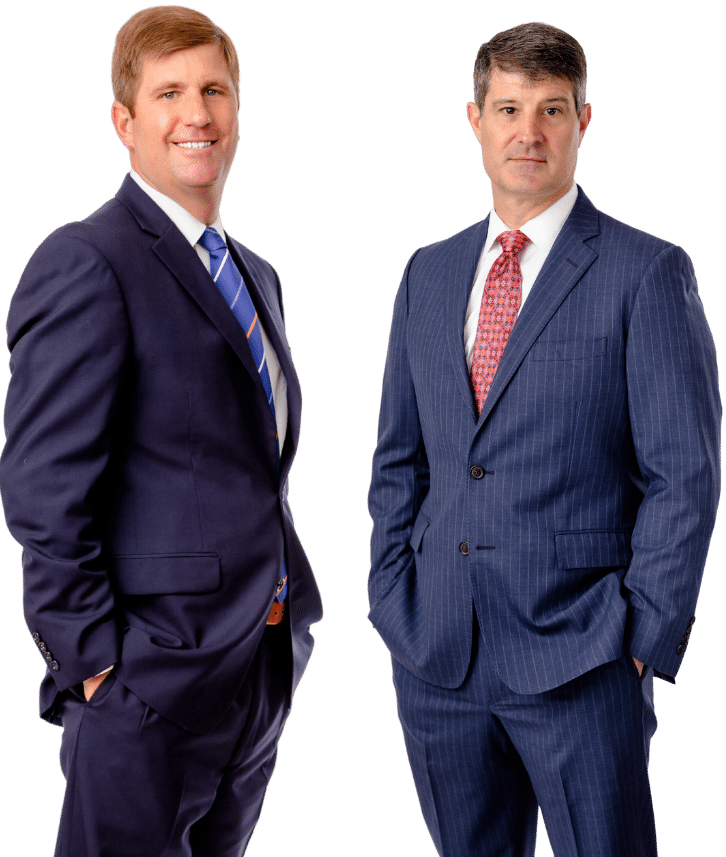
Graham E. Sutliff
Co-Founder
Always Available, Serving 24/7
(713) 987-7111Choosing the best wrongful death lawyer in Houston directly impacts a family’s recovery process, emotionally and financially. Comparing verified reviews, settlement outcomes, and trial experience helps families choose the proper representation. Learning about real firm outcomes and consulting with experienced professionals builds trust and sets realistic expectations. Sutliff & Stout Injury & Accident Law Firm is known as a reputable Houston wrongful death attorney due to its long-standing reputation, verified client reviews, and compassionate legal approach. The firm has recovered substantial compensation for thousands of families since 2007 by handling complex wrongful death claims in Houston with precision and care. A Houston wrongful death lawyer must understand Texas statutes and navigate complicated evidence like medical reports, crash documentation, and financial losses tied to each case.
The benefits of hiring a Houston Wrongful Death Attorney are listed below.
Our highly experienced lawyers will contact you for a Free Legal Consultation.
Collaborating with Sutliff & Stout wrongful death attorneys in Houston offers numerous benefits, perks, and advantages for collision victims seeking legal representation.
The best wrongful death lawyer in Houston near you is the Sutliff & Stout Injury & Accident Law Firm. The group of Attorneys has helped thousands of injured Texans recover fair compensation in complex wrongful death cases since 2007. The firm has earned the trust of clients through consistent results and a reputation for legal excellence, known for its strong track record. Their team is praised for offering personal, compassionate service and ethical advocacy, reflected in hundreds of positive, verified reviews from clients who appreciated their dedication and support during difficult times.
The advantages of working with Sutliff & Stout wrongful death lawyers in Houston are listed below.
Proven Track Record
Sutliff & Stout has recovered millions for families in wrongful death cases across Texas. The firm brings over 15 years of legal experience, which includes thousands of successful claims. High-value settlements and verdicts consistently reflect their ability to deliver results.
Client-Focused Legal Care
Sutliff & Stout provides compassionate legal support through every stage of a wrongful death case. The attorneys maintain direct communication with families and design personalized legal strategies. The firm consistently respects both the emotional and financial impact of a sudden loss.
Extensive Trial Experience
Sutliff & Stout attorneys are fully prepared to take wrongful death cases to court when needed. The team brings a strong courtroom presence, which enhances credibility with juries. Their ability to present skilled legal arguments gives families greater leverage during settlement discussions.
Free Consultations and No Fees Unless You Win
Sutliff & Stout offers risk-free representation for families seeking justice. The firm charges no upfront costs and only collects fees if it wins. Honest case evaluations ensure transparency at the beginning of every client relationship.
Deep Knowledge of Texas Wrongful Death Law
Sutliff & Stout attorneys understand the full scope of Texas wrongful death statutes. The team is familiar with the Texas Civil Practice & Remedies Code and uses such knowledge to strengthen every claim. Their experience with Houston-area courts improves case preparation and execution.
Strong Reputation and Reviews
Sutliff & Stout has earned praise from hundreds of clients for its compassionate and effective representation. Past testimonials highlight the firm’s professionalism and results. Legal directories and award platforms such as Super Lawyers have recognized their achievements.
Powerful Legal Resources
Sutliff & Stout uses top-tier legal resources to build and support wrongful death claims. The firm collaborates with forensic and medical experts and develops evidence using in-house research teams. Their cases are supported with technology-driven presentations that clarify complex issues.
Experience in All Types of Wrongful Death Cases
Sutliff & Stout handles a wide range of wrongful death claims, including fatal car crashes and medical negligence. The firm represents families in workplace fatality cases and product liability claims. Their diverse experience ensures proper legal handling for every type of loss.
For most cases, Texas has a 2-year statute of limitations. Every day you wait could cost you thousands in compensation.
The types of damages listed below are illustrative examples based on compensation amounts juries have awarded in personal injury cases across Texas. These figures are intended to provide general guidance,not guarantees or predictions, as each case is unique and compensation depends on specific circumstances.
There is no fixed compensation range or mathematical formula that can accurately predict the amount you may recover. For this reason, juries are instructed to consider the specific facts of the case, the harm suffered, and the financial and personal losses sustained before awarding damages.
While these examples may help illustrate the range of potential outcomes, your case will be judged on its own merits. Personal injury damages are highly individualized, similar injuries can result in different awards depending on how they impact each person’s life, work, and overall well-being.
For most cases, Texas has a 2-year statute of limitations. Every day you wait could cost you thousands in compensation.
Medical expenses before death include all healthcare costs linked to the treatment the deceased received between the accident and the time of death (emergency room visits, surgeries, hospital stays, ambulance transport, and medications) provided by Houston-area hospitals (Memorial Hermann or Ben Taub). The compensation reflects the financial burden placed on surviving family members and is calculated using medical records, provider invoices, and billing statements. Wrongful death claims have clear documentation of economic damages, but proving liability is harder in crashes with low visibility or delayed fatalities. The value of medical bills in a wrongful death settlement is determined by the amount of medical bills that are included in the claim.
The common fatal injuries in wrongful death cases are listed below.
Insurance companies dispute liability by questioning the direct cause of death or arguing pre-existing conditions. Medical timelines and treatment history help in supporting compensation.
Use prior injuries or incomplete medical records to weaken the link between the incident and brain trauma.
Texas wrongful death law allows surviving spouses, children, and parents to file claims within two years. Houston attorneys present brain injury cases in Harris County Civil Court with expert medical witnesses to support damage valuation.
Don’t face insurance companies alone after a wrongful death. Our attorneys are here to protect your family’s rights.
Houston experiences a high number of fatal and injury-related accidents each year, with traffic crashes representing the most significant source of wrongful death claims. The city recorded 301 traffic fatalities in 2024, which averages out to nearly one death per day. The total number of accidents per year in Houston typically reaches 67,400, averaging about 185 accidents daily, with over 34,500 involving injuries by mid-2024. Houston’s fatal crash rate of 14.2 deaths per 100,000 residents exceeds the national average of 11 deaths per 100,000. Speeding contributed to 35% of these fatal crashes, while distracted driving accounted for 20%. The High Injury Network, just 9% of the city’s streets, is responsible for 58% of deaths and serious injuries, making it a major focus for traffic enforcement and safety reforms. National trends show 251,000 medical malpractice deaths annually and 5,283 workplace deaths in 2023, reinforcing the importance of wrongful death litigation across multiple sectors, although specific Houston statistics for medical malpractice and workplace fatalities are not widely published.
| Category | Statistic (Houston 2024) |
| Daily Accidents | Approximately 185 per day |
| Injury Accidents | Over 34,500 (as of mid-2024) |
| Total Accidents | Around 67,400 annually |
| Fatalities | 301 in 2024 |
| Attribute | Value |
| Population | 2.1 million |
| Risk Level | High Risk |
| Pedestrian Accidents | 1,500+ annually |
| Fatalities | 105 (2023) |
| Avg Settlement | $92,000 |
| Attribute | Value |
| Population | 4.78 million |
| Risk Level | High |
| Pedestrian Accidents | 1,298 (2023) |
| Fatalities | 533 (2023) |
| Avg Settlement | $500K – $1.2M |
| Attribute | Value |
| Population | 40,000 |
| Risk Level | High |
| Pedestrian Accidents | Data not isolated |
| Fatalities | High |
| Avg Settlement | $400K – $900K |
| Attribute | Value |
| Population | Industrial zone |
| Risk Level | Moderate–High |
| Pedestrian Accidents | Low |
| Fatalities | Moderate |
| Avg Settlement | $600K $1.5M |
| Attribute | Value |
| Population | 80,000 |
| Risk Level | High |
| Pedestrian Accidents | Elevated |
| Fatalities | Above average |
| Avg Settlement | $450K–$1M |
| Attribute | Value |
| Population | 30,000 |
| Risk Level | Moderate |
| Pedestrian Accidents | Moderate |
| Fatalities | Moderate |
| Avg Settlement | $400K–$850K (est.) |
| Attribute | Value |
| Population | 50,000 |
| Risk Level | Moderate–High |
| Pedestrian Accidents | 30 annually |
| Fatalities | 12 (2023) |
| Avg Settlement | $450K–$1M |
| Attribute | Value |
| Population | 70,000 |
| Risk Level | High |
| Pedestrian Accidents | 90 annually |
| Fatalities | 20 (2023) |
| Avg Settlement | $600K–$1.2M |
| Attribute | Value |
| Population | 100,000 |
| Risk Level | Very High |
| Pedestrian Accidents | 150+ annually |
| Fatalities | 40 (2023) |
| Avg Settlement | $700K–$1.5M |
| Attribute | Value |
| Population | 35,000 |
| Risk Level | High |
| Pedestrian Accidents | 60 annually |
| Fatalities | 18 (2023) |
| Avg Settlement | $600K–$1.1M |
| Attribute | Value |
| Population | 45,000 |
| Risk Level | High |
| Pedestrian Accidents | 55 annually |
| Fatalities | 15–20 (2023) |
| Avg Settlement | $550K–$1M |
| Attribute | Value |
| Population | 70,000 |
| Risk Level | High |
| Pedestrian Accidents | 85 annually |
| Fatalities | 22 (2023) |
| Avg Settlement | $550K – $1.1M |
| Attribute | Value |
| Population | 19,000 |
| Risk Level | Moderate |
| Pedestrian Accidents | 25 annually |
| Fatalities | 5–8 (2023) |
| Avg Settlement | $400K – $900K |
| Attribute | Value |
| Population | 120,000 |
| Risk Level | Moderate–High |
| Pedestrian Accidents | 40 annually |
| Fatalities | 10–15 (2023) |
| Avg Settlement | $450K – $1M |
| Attribute | Value |
| Population | 115,000 |
| Risk Level | Moderate |
| Pedestrian Accidents | 30 annually |
| Fatalities | 8–12 (2023) |
| Avg Settlement | $500K – $1.2M |
| Attribute | Value |
| Population | 62,000 |
| Risk Level | High |
| Pedestrian Accidents | 50 annually |
| Fatalities | 15–20 (2023) |
| Avg Settlement | $550K – $1.3M |
| Attribute | Value |
| Population | 4.8 million |
| Risk Level | High |
| Pedestrian Accidents | 120 annually |
| Fatalities | 30 – 40 (2023) |
| Avg Settlement | $600K – $1.3M |
| Attribute | Value |
| Population | 90,000+ (corridor-wide) |
| Risk Level | High |
| Pedestrian Accidents | 60 annually |
| Fatalities | 15 – 20 (2023) |
| Avg Settlement | $500K – $1.2M |
| Attribute | Value |
| Population | 100,000+ |
| Risk Level | Very High |
| Pedestrian Accidents | 70 annually |
| Fatalities | 25 – 30 (2023) |
| Avg Settlement | $600K – $1.4M |
| Attribute | Value |
| Population | 120,000+ |
| Risk Level | Very High |
| Pedestrian Accidents | 85 annually |
| Fatalities | 35 – 40 (2023) |
| Avg Settlement | $650K – $1.5M |
| Attribute | Value |
| Population | 60,000 |
| Risk Level | High |
| Pedestrian Accidents | 40 annually |
| Fatalities | 12 – 18 (2023) |
| Avg Settlement | $500K – $1.1M |
| Attribute | Value |
| Population | 55,000 |
| Risk Level | High |
| Pedestrian Accidents | 70 annually |
| Fatalities | 20 – 25 (2023) |
| Avg Settlement | $550K – $1.2M |
| Population | 23,000 |
| Risk Level | High |
| Pedestrian Accidents | 45 annually |
| Fatalities | 12 – 18 (2023) |
| Avg Settlement | $500K – $1.1M |
| Attribute | Value |
| Population | 22,000 |
| Risk Level | High |
| Pedestrian Accidents | 50 annually |
| Fatalities | 15 – 20 (2023) |
| Avg Settlement | $550K – $1.3M |
| Attribute | Value |
| Population | 12,400 |
| Risk Level | Very High |
| Pedestrian Accidents | 60 annually |
| Fatalities | 20 – 25 (2023) |
| Avg Settlement | $600K – $1.4M |
Nearly one wrongful death accident occurs per day in Houston, based on official traffic fatality data on average. TxDOT reported 323 traffic fatalities in Houston during 2022, which translates to approximately 0.88 deaths per day. The figure includes wrongful deaths resulting from negligence, such as distracted driving, drunk driving, unsafe lane changes, and failure to yield. The actual number may be higher when accounting for non-traffic-related wrongful deaths like medical malpractice or workplace fatalities. The city consistently ranks among the most dangerous in Texas for fatal accidents because of Houston’s size, heavy traffic, and industrial presence. Families facing such a loss often require legal action to establish liability and secure compensation under Texas wrongful death statutes.
A wrongful death attorney in Houston protects legal rights by managing the full claims process, preventing procedural errors, and ensuring rightful compensation under Texas law. An attorney immediately secures evidence, files within the two-year statute of limitations, and identifies all liable parties to avoid dismissal or claim denial. An attorney prevents legal issues by responding to insurance tactics, complying with court rules, and handling complex damage calculations. An attorney manages communications to reduce the risk of survivors unintentionally harming their case through recorded statements or missed deadlines. An experienced Houston wrongful death lawyer prepares cases for trial, not just settlement, which increases leverage and protects the family’s interests long-term.
Steps that Families should take immediately following a wrongful death include securing immediate evidence, requesting vital records, and contacting a Wrongful Death Attorney.
Wrongful death accidents in Houston involve fatal incidents caused by another party’s negligence, recklessness, or intentional actions. The cases lead to legal claims filed by surviving family members for financial compensation. The party at fault is an individual, business, medical provider, or government agency. Each type of wrongful death accident has unique legal and evidentiary standards that impact the strength of a claim and settlement value.
Types of wrongful death accidents in Houston are listed below.
Settlement Range: $100,000 – $1,000,000 depending on fault clarity, vehicle type, insurance coverage, and severity of injuries or fatalities.
Case Duration: At Sutliff & Stout, our average case duration is typically 14 months or less, while most firms take years.
Motor vehicle accidents are the leading cause of wrongful death in Houston. The incidents involve fatal crashes between cars, trucks, motorcycles, or commercial vehicles due to speeding, reckless driving, intoxication, or distracted behavior. 4,000 Texans die in vehicle-related accidents each year, with Harris County consistently recording the highest fatality count, according to TxDOT. Texas Transportation Code §§ 545.351 and 550.021 outline speed regulations and post-collision obligations. Fatal crash investigations rely on black box data, toxicology reports, and liability determinations. Attorneys representing families must coordinate with insurance companies and a Houston motorcycle accident attorney to secure just compensation.
Common Causes:
Win Chances: At Sutliff & Stout we have a 99% success rate on all the cases that we take.
Settlement Range: $250,000 – $750,000 for individual providers, with total caps of $1 million in catastrophic injury or death cases involving multiple defendants.
Case Duration: At Sutliff & Stout, our average case duration is typically 14 months or less, while most firms take years.
Medical malpractice wrongful death cases occur when a healthcare provider’s negligence leads to fatal harm. The incidents involve surgical errors, misdiagnoses, medication mistakes, or delayed treatment. Plaintiffs must prove that a provider violated the accepted standard of care under Texas Civil Practice & Remedies Code §74. Harris County ranks among the highest in malpractice filings statewide, with cases requiring expert testimony and detailed medical review. Attorneys must send pre-suit notice and submit a certified medical expert report to proceed. Families work with a medical malpractice lawyer in Houston who handles complex healthcare-related fatalities to navigate liability caps and procedural timelines.
Common Causes:
Win Chances: At Sutliff & Stout we have a 99% success rate on all the cases that we take.
Settlement Range: $100,000 – $500,000 depending on employer liability, Occupational Safety and Health Administration (OSHA) violations, and whether third-party negligence is involved.
Case Duration: At Sutliff & Stout, our average case duration is typically 14 months or less, while most firms take years.
Workplace accident cases arise when employees die due to unsafe working conditions, equipment failure, or employer negligence. Industries like construction, oil, manufacturing, and logistics experience high fatality rates in Houston. Texas recorded over 500 fatal occupational injuries in recent years, according to the U.S. Bureau of Labor Statistics. Claims proceed through workers’ compensation or civil lawsuits if a non-subscriber employer or third-party contractor is involved. Texas Labor Code §408.001 governs employee death benefits, while surviving families pursue further damages through wrongful death lawsuits. Legal counsel, such as a workplace accidents attorney in Houston, helps determine liability, preserve evidence, and secure compensation for lost income, pain, and funeral costs.
Common Causes:
Win Chances: At Sutliff & Stout we have a 99% success rate on all the cases that we take.
Settlement Range: $150,000 – $750,000 depending on the product type, manufacturing defect, injury severity, and recall status.
Case Duration: At Sutliff & Stout, our average case duration is typically 14 months or less, while most firms take years.
Wrongful death from defective products occurs when a consumer dies due to a faulty item that was poorly designed, manufactured, or lacked adequate warnings. The defective products cases involve vehicle defects, industrial machinery, faulty electronics, or home appliances in Houston. Manufacturers and sellers are strictly liable if their product causes fatal injuries under normal use under Texas Civil Practice and Remedies Code §82. Plaintiffs must prove that the product was unreasonably dangerous and the defect directly caused death. Evidence includes expert engineering analysis, product testing reports, and recall notices. Legal representation, such as a defective products (product liability) lawyer in Houston, helps establish the causal chain between the defect and the fatal outcome.
Common Causes:
Win Chances: At Sutliff & Stout we have a 99% success rate on all the cases that we take.
Settlement Range: $250,000 – $2,000,000 depending on manufacturer fault, drug warnings, and severity of adverse effects.
Case Duration: At Sutliff & Stout, our average case duration is typically 14 months or less, while most firms take years.
Dangerous or defective pharmaceuticals involve medications that cause fatal side effects due to design flaws, manufacturing errors, or failure to warn about known risks. The wrongful death claims arise when a patient dies after taking prescription or over-the-counter drugs that lacked proper testing, were mislabeled, or were improperly prescribed. Cases involve opioids, blood thinners, antidepressants, and cancer medications in Houston. Texas Civil Practice & Remedies Code §82 governs product liability, enabling families to file claims against pharmaceutical companies. A dangerous or defective pharmaceuticals attorney helps secure medical records, toxicology reports, Food and Drug Administration (FDA) recalls, and expert pharmacological testimony to build the case.
Common Causes:
Win Chances: At Sutliff & Stout we have a 99% success rate on all the cases that we take.
Settlement Range: $200,000 – $1,500,000 depending on property ownership, prior complaints, and safety code violations.
Case Duration: At Sutliff & Stout, our average case duration is typically 14 months or less, while most firms take years.
Premises liability deaths occur when a person dies due to hazardous conditions on someone else’s property, including slip-and-falls, structural collapses, electrocution, drownings, or inadequate security. Property owners in Houston owe a legal duty to maintain safe environments under Texas Civil Practice & Remedies Code §75.002 and §101.021. Fatal accidents involving invitees (customers or tenants) lead to wrongful death claims if the property owner knew of the danger and failed to act. A premises liability deaths lawyer gathers safety inspection records, maintenance logs, surveillance footage, and witness accounts to prove negligence.
Common Causes:
Win Chances: At Sutliff & Stout we have a 99% success rate on all the cases that we take.
Settlement Range: $250,000 – $1,000,000 depending on the severity of abuse, facility violations, and medical evidence of neglect.
Case Duration: At Sutliff & Stout, our average case duration is typically 14 months or less, while most firms take years.
Criminal acts or assaults leading to wrongful death involve intentional harm, such as shootings, stabbings, or physical violence. The cases occur in apartment complexes, public venues, or businesses with inadequate security. Survivors pursue civil claims under intentional torts, separate from criminal prosecution. Texas Civil Practice & Remedies Code §71.021 allows a survival action, while §71.004 permits wrongful death claims by family members. Successful cases rely on proof of foreseeability, negligent security, or direct liability for the attacker’s actions. A criminal acts or assaults (intentional torts) lawyer works alongside criminal investigations to secure damages for emotional loss, funeral costs, and loss of financial support.
Common Causes:
Win Chances: At Sutliff & Stout we have a 99% success rate on all the cases that we take.
Settlement Range: $75,000 – $250,000 depending on evidence, severity of harm, and identification of liable parties.
Case Duration: At Sutliff & Stout, our average case duration is typically 14 months or less, while most firms take years.
A drunk driving accident involves a collision caused by a driver operating under the influence of alcohol or drugs, defined in Texas as having a blood alcohol concentration (BAC) of 0.08% or higher. Alcohol-related crashes result in over 1,000 deaths annually statewide, according to the Texas Department of Transportation, with thousands more suffering life-altering injuries. The cases involve high-speed impact, erratic driving, and delayed reaction times. Criminal charges fall under Texas Penal Code §49.04, which defines driving while intoxicated (DWI), and civil liability includes claims for punitive damages due to gross negligence. Required documents include the crash report, toxicology results, arrest records, medical files, witness statements, dashcam footage, and traffic camera data. Legal recovery is strengthened when represented by a DUI accident lawyer, who understands the intersection of criminal charges and civil injury claims.
Common Causes:
Win Chances: At Sutliff & Stout we have a 99% success rate on all the cases that we take.
Settlement Range: $250,000 – $1,500,000 depending on severity, civil rights violations, and evidence of excessive force or negligence.
Case Duration: At Sutliff & Stout, our average case duration is typically 14 months or less, while most firms take years.
Deaths in police custody or from officer misconduct occur when a victim dies during arrest, transport, or detention due to unlawful use of force, denial of medical care, or unsafe confinement. Houston has seen rising concerns over custodial deaths, involving untreated medical conditions or physical restraint. Claims are filed under federal 42 U.S. Code §1983 for civil rights violations, and the Texas Tort Claims Act provides a limited pathway for state-level damages. Legal action requires clear evidence of deliberate indifference, policy failure, or officer negligence. A death in police custody attorney in Houston must establish direct causation and fight sovereign immunity defenses.
Common Causes:
Win Chances: At Sutliff & Stout we have a 99% success rate on all the cases that we take.
Settlement Range: $250,000 – $5,000,000 depending on crash severity, carrier or operator liability, and number of fatalities.
Case Duration: At Sutliff & Stout, our average case duration is typically 14 months or less, while most firms take years.
Aviation and boating accidents leading to wrongful death occur when aircraft or watercraft incidents result in fatalities due to pilot error, mechanical failure, inadequate maintenance, or poor safety procedures. Deaths from private plane crashes, charter flights, recreational boating, and commercial maritime accidents fall under federal and state jurisdiction in Houston and across Texas. Aviation cases involve the Federal Aviation Administration (FAA) and National Transportation Safety Board (NTSB), while boating claims refer to Texas Parks & Wildlife Code §31 and maritime law under the Jones Act for vessel-based fatalities. A fatal aviation or boating accidents lawyer in Houston investigates maintenance logs, black box data, and operator credentials to determine liability and initiate compensation claims for families.
Common Causes:
Win Chances: At Sutliff & Stout we have a 99% success rate on all the cases that we take.
The laws related to Houston Wrongful Death Accident are in the table below.
Texas wrongful death laws apply equally throughout the state, including Houston. Wrongful death laws of Texas define who is qualified to file a claim, what deadlines apply, and what types of compensation are available. Understanding these statutes is critical for preserving legal rights, building a strong case, and ensuring families take timely and informed legal action.
Understanding these laws helps families know who is eligible to file a claim, how long they have to act, and what damages they may recover. It ensures they make informed decisions, protect their rights, and hold responsible parties accountable under Texas law.
Wrongful death settlements in Houston work as financial agreements reached between the surviving family members and the at-fault party or their insurer to resolve the claim without going to trial. Texas law allows eligible beneficiaries (spouses, children, and parents) to receive compensation for both economic and non-economic losses.
Texas follows a proportional distribution system, meaning courts or settlement agreements divide compensation based on the damages each family member suffered. Settlement funds may include coverage for medical bills, funeral costs, lost future income, and emotional suffering. Texas law permits exemplary damages in cases involving gross negligence or willful misconduct, which can significantly increase settlement amounts. Wrongful death settlements must be approved by the court when minor children are involved to ensure fairness. Attorneys negotiate with insurers, present evidence, and guide families through the approval process. Settlements are paid in a lump sum or structured payouts, depending on the agreement. Settlements typically bar further legal action on the same claim once accepted and finalized.
Your legal rights in a wrongful death case are listed below.
To understand whether you need a wrongful death attorney, follow the 10 steps listed below.
The common causes of wrongful death accidents in Houston are listed below.
Distracted driving occurs when a driver diverts attention from the road due to activities such as texting, eating, adjusting controls, or interacting with passengers. Driving with distractions increases the risk of accidents and is a leading cause of traffic fatalities in Texas. Distracted driving contributed to 484 deaths and over 2,800 serious injuries statewide in 2022, according to the Texas Department of Transportation (TxDOT). An injury or wrongful death claim must be established through distracted driving if a driver’s breach of duty of care caused the crash. Texting while driving is prohibited, and violations are used as evidence of fault under Texas Transportation Code §545.4251. A driver usually argues that other factors for defense, such as poor weather or actions by another party, were the primary cause of the incident. Applicable documentation includes police crash reports noting distracted behavior, eyewitness accounts, cell phone records, surveillance or dashcam footage, and photos of the vehicle or scene when filing or defending a claim. These items help clarify whether distraction contributed to the crash and support a legal argument for or against liability.
Drunk driving occurs when a person operates a vehicle while impaired by alcohol, typically with a blood alcohol concentration (BAC) of 0.08% or higher in Texas. Alcohol-related crashes caused over 1,100 fatalities statewide in 2022, with Houston ranking among the highest for DUI-related deaths. In wrongful death cases, families have a strong legal basis to seek compensation if a drunk driver caused the fatal crash. Defendants are likely to argue the deceased contributed to the accident, but liability often favors the victim when impairment is proven. Bring the police report, BAC test results, arrest records, dashcam footage, eyewitness accounts, and any bar or restaurant receipts tied to the incident to support a claim.

Reckless driving or speeding refers to operating a vehicle with willful disregard for safety, including excessive speeding, weaving through traffic, or ignoring traffic signals. Speed-related crashes in 2022 caused over 1,400 deaths in Texas, making it a leading factor in fatal accidents. Showing the driver was reckless or speeding strengthens the family’s case for compensation in wrongful death claims, while defense arguments may focus on shared fault or unexpected road conditions. Obtain the crash report, traffic citations, surveillance or dashcam footage, eyewitness statements, and any data from vehicle black boxes or speed analysis to have a strong claim.

Unsafe lane changes happen when a driver moves into another lane without using a signal, checking blind spots, or ensuring it’s safe to do so. Improper lane changes contributed to thousands of crashes, including many with serious injuries or fatalities, according to TxDOT data in Texas. Proving that a driver made an unsafe lane change can help the victim’s family hold them legally responsible in a wrongful death case. The defense is going to argue that the other driver was speeding or additionally contributed to the crash. Bring the police crash report, any dashcam or traffic camera footage, eyewitness accounts, and photos of the vehicles’ final positions or skid marks to help support the case. Even simple notes about what was seen, like a driver swerving or not using a turn signal, help build a strong claim.

Left-turn accidents occur when a driver turning left collides with an oncoming vehicle, often because they misjudge the speed or distance of oncoming traffic or fail to yield the right of way. Crashes in Texas are common at intersections and contribute to thousands of injuries and fatalities annually, according to TxDOT crash data. The turning driver is usually legally presumed at fault because Texas traffic laws require drivers making left turns to yield to oncoming traffic. However, the defense is likely to argue that the oncoming driver was speeding or ran a red light. Bring a police crash report, witness statements, intersection surveillance footage if available, and photos of skid marks, signal lights, or traffic signs to support a wrongful death claim or defense in a left-turn accident. Diagrams showing vehicle positions and driver observations from the scene help clarify the fault.

Failure to yield the right of way refers to when a driver does not allow another vehicle or pedestrian with legal priority to proceed, leading to a collision. The violation is a major cause of traffic accidents in Texas, contributing to over 24,000 crashes and hundreds of deaths in 2022, according to TxDOT. Drivers must yield in specific situations (stop signs, unprotected left turns, or when merging), making them typically at fault if an accident results from failing to do so under Texas law. However, defendants may argue that the other party was speeding or ignored signals. Provide the official police report, photos or videos from the crash site, eyewitness accounts, and any nearby traffic camera footage to establish a claim or defense. Details such as traffic signs, signals, and vehicle damage location are essential for proving who had the right of way and whether it was violated.

Dangerous road conditions refer to hazards such as poor lighting, potholes, missing signs, faulty traffic signals, or unsafe construction zones that increase the risk of accidents. Poor road conditions contributed to over 14,000 crashes in 2022, according to TxDOT data in Texas. A wrongful death claim is justified if a government entity or contractor failed to maintain the road or warn the public about known hazards. However, the defendant argue the hazard was obvious, or the driver acted negligently. Families must gather crash scene photos, road maintenance records, police reports, witness statements, and document any complaints made to local authorities to establish a claim.

Vehicle door accidents (dooring) happen when a driver or passenger opens a car door into the path of a cyclist or pedestrian, causing a sudden collision. “Dooring” are especially dangerous for cyclists in urban areas like Houston. National figures show that dooring accounts for up to 20% of bike-related crashes in some cities, although exact Texas-specific data is limited. Texas law requires vehicle occupants to check for approaching traffic before opening doors, making them generally liable in dooring accidents. However, if a cyclist was riding illegally or erratically, partial fault may be argued. Gather photos of the scene, medical records, witness statements, and the police report, especially noting the door position, road markings, and visibility at the time of the incident to support a claim or defense.

Defective motorcycle parts or equipment failure refers to situations where malfunctioning components, such as faulty brakes, tires, throttles, or lighting systems, cause a crash. Motor defects stem from design flaws, manufacturing errors, or inadequate maintenance instructions. Mechanical failures contribute to about 3% of motorcycle crashes, but collisions involving critical systems often result in severe injuries or death, according to the National Highway Traffic Safety Administration (NHTSA). Injured parties potentially have a valid claim under product liability law if they are able to prove that the defect existed before use, the part was used as intended, and it directly caused the accident in Texas. Manufacturers, designers, distributors, or even mechanics can be held responsible. Defendants challenge a claim if the motorcycle has been altered or poorly maintained. Bring detailed maintenance logs, recall notices, repair receipts, photos of the damaged parts, witness accounts, and expert mechanical evaluations to build a case or defend one. Preserving the bike and all relevant components after the crash is critical for forensic analysis.
Lack of helmet use or protective gear refers to a motorcyclist not wearing a helmet, gloves, jacket, or other safety equipment at the time of a crash. Helmets reduce the risk of head injury by 69% and are estimated to save over 1,800 lives annually in the U.S., according to the CDC. Texas law allows riders over 21 to ride without a helmet if they have appropriate insurance or have taken a safety course, but still impact injury claims. The defense usually argues that the rider’s choice not to wear protective gear contributed to the severity of injuries, reducing the potential compensation under Texas’ comparative fault rules in a wrongful death or injury case. However, families still have a right to pursue a claim if negligence by another driver was the primary cause of the accident. Gather police reports, photos of the crash site, medical records showing the nature of the injuries, and expert opinions on whether helmet use would have made a difference to support or defend a claim. Witness statements help clarify whether the rider wore any protective gear.
Motorcycle visibility issues occur when a motorcyclist is not easily seen by other drivers due to factors like low lighting, blind spots, or dark clothing. The National Highway Traffic Safety Administration reports that over 40% of fatal motorcycle crashes involve another vehicle turning left in front of an oncoming bike, often because the driver didn’t see the motorcycle. Texas law allows injured riders to pursue a claim if another driver failed to yield or watch for motorcycles, even if visibility played a role. Plaintiffs must prove that the other driver breached their duty to observe traffic. Defendants often argue that the motorcyclist was partially at fault due to poor visibility. Riders must bring police crash reports, photos from the scene, dashcam footage, and statements from witnesses to support visibility-related claims.
Aggressive driving or road rage involves dangerous behaviors like tailgating, speeding, weaving through traffic, or making hostile gestures with intent to intimidate or retaliate. The AAA Foundation reports that nearly 80% of U.S. drivers expressed significant anger or aggression behind the wheel at least once in the past year. Texas law permits injured victims to hold aggressive drivers liable by proving negligence or intentional misconduct that caused harm. Defendants argue that the victim contributed to the incident or misinterpreted the behavior. Victims must bring police reports, dashcam footage, 911 call logs, eyewitness accounts, and any video evidence showing erratic or threatening driving patterns.
Pedestrian fatalities in crosswalks or shoulders refer to deaths resulting from drivers striking individuals legally walking within marked crosswalks or along road shoulders. Data from the National Highway Traffic Safety Administration (NHTSA) shows that over 7,000 pedestrians were killed in traffic crashes in 2021, with many incidents occurring at intersections and shoulders. Texas law generally supports the pedestrian’s right-of-way in marked crosswalks, making drivers liable if they fail to yield. Defendants might claim the pedestrian crossed against signals or was outside the crosswalk. Victims’ families should collect police crash reports, intersection surveillance footage, witness statements, and any evidence of traffic signal timing or road signage.
Commercial vehicle or 18-wheeler accidents involve large trucks, including semi-trailers and delivery vehicles, colliding with other cars, pedestrians, or property. The Federal Motor Carrier Safety Administration (FMCSA) reported over 5,000 fatalities in crashes involving large trucks in 2021. Texas law holds commercial drivers and their employers to higher safety standards, meaning victims may have a rightful claim if the trucker violated regulations like hours-of-service limits or vehicle maintenance rules. Defendants likely assert that another driver caused the crash or that unexpected circumstances led to the accident. Claimants must bring the police crash report, photos of vehicle damage, driver logs, black box data, witness statements, and any records of the trucking company’s safety violations.
Rideshare or delivery driver negligence occurs when a driver working for companies like Uber, Lyft, DoorDash, or Amazon fails to exercise reasonable care, causing an accident. The Texas Department of Insurance notes an increase in crashes involving commercial and gig drivers, especially during peak delivery hours. Texas law allows injury victims to seek compensation if the driver’s negligence (distracted driving or speeding) caused harm, though determining whether the company shares liability depends on the driver’s work status at the time. Defendants are likely to claim the driver was off-duty or that a third party caused the crash. Claimants must gather the accident report, app data showing the driver’s active status, witness accounts, delivery logs, dashcam footage, and any photos from the scene.
Failure to obey traffic signals or stop signs refers to drivers running red lights, ignoring stop signs, or failing to yield as required, directly violating Texas traffic laws. The Texas Department of Transportation (TxDOT) reports that red-light and stop sign violations contribute to thousands of crashes annually, often leading to serious or fatal injuries. Texas law holds drivers legally responsible when such violations cause accidents, though defendants may argue equipment malfunction or unclear signage. Claimants must bring the police report, traffic camera footage if available, eyewitness statements, photos of skid marks or damage, and any nearby surveillance video showing the traffic signal or sign.
Driving without a valid license or insurance means operating a vehicle either with an expired, suspended, or nonexistent license or failing to carry legally required auto insurance coverage. Data from the Insurance Research Council estimates that roughly 8–10% of Texas drivers are uninsured, which adds risk and complexity in accident cases. Texas law requires all drivers to maintain minimum insurance coverage and a valid license to operate a vehicle legally. Violating the law establishes negligence per se in wrongful death or personal injury claims. Plaintiffs get to strengthen their claim by collecting the police report, verifying insurance status through official records, and including any citations or arrest details related to licensing. Defense arguments often attempt to shift focus to fault in the crash itself, but a lack of licensing or insurance often undermines credibility and legal standing.
Street racing and illegal driving activities involve unauthorized speed contests, dangerous stunts, or reckless maneuvers on public roads, often performed without regard for traffic laws or public safety. The Texas Department of Public Safety has reported an increase in citations and crashes related to street racing, particularly in major cities like Houston. Texas law considers street racing a criminal offense, and a driver involved in fatal accidents during such activities may be found grossly negligent, allowing for punitive damages in wrongful death claims. Families seeking justice must secure police reports, dashcam or surveillance footage, eyewitness statements, and any social media evidence that captured the event. Legal defenses may be limited, especially when racing or reckless behavior is well-documented and directly linked to the fatal outcome.
You can find a reliable wrongful death attorney near you through the sub-regions listed below.
Houston, TX
The Houston office handles a high volume of auto accident claims, located at 550 Post Oak Blvd, Suite 530, including multi-vehicle collisions and freeway crashes throughout Harris County and surrounding areas.
Austin, TX
The Austin office assists victims injured in congested traffic zones at 9433 Bee Cave Road, Building III, Suite 200. The parties involved in I-35 corridor incidents and urban vehicle pile-ups.
Marble Falls, TX
The Marble Falls location at 705 US 281, Suite 200, supports victims of rural road crashes and local intersection accidents, serving communities throughout Burnet County and the Highland Lakes region.
San Angelo, TX
The San Angelo office offers personal guidance for car crash victims across West Texas, found at 202 W Beauregard Ave, including collisions involving oilfield or commercial traffic.
Cypress, TX
The Cypress office provides direct legal support for suburban accident cases at 17302 House & Hahl Rd, Suite 210, near Hwy 290, FM 529, and residential zones with high-speed incidents.
For your first meeting with a Houston wrongful death lawyer, bring key documents that help explain the incident and your relationship to the deceased. Bring the death certificate, police or accident reports, medical records, autopsy results (if available), photos or videos of the scene, insurance information, any correspondence with insurers, and proof of financial losses such as funeral expenses or lost income. Bring identification and documents showing your legal relationship to the deceased, such as a marriage license or birth certificate. These materials help the attorney evaluate your case efficiently.
The legal services included when hiring a Wrongful Death attorney are listed below.
Yes, wrongful death attorneys in Sutliff & Stout offer 24/7 availability to provide families with immediate legal support during this difficult time. This all-hours service helps protect crucial evidence, safeguard the family’s rights, and offer guidance in the critical first hours when insurance companies or other parties may attempt to gather statements that could impact the case.
Yes, you can switch lawyers if you’re unhappy with your current one. A client has the right to switch lawyers at any point in a case, even during litigation, if the current representation no longer meets expectations or causes concern. The right protects the client’s interest and ensures legal counsel aligns with the case’s needs. Common reasons for switching include poor communication, lack of relevant experience, missed deadlines, pressure to accept inadequate settlements, or fundamental disagreements in strategy. It’s advisable to find a new attorney before making the change, then notify the current one and request a transfer of the file. The original attorney is still entitled to a portion of any eventual recovery based on the work completed in contingency fee arrangements. Reviewing the original fee agreement and considering case timelines are essential steps in ensuring a smooth transition.
Yes, a case is strong enough to contact a wrongful death attorney if a loved one’s death was unexpected and potentially preventable due to someone else’s negligence or misconduct. Situations involving car accidents, medical errors, workplace incidents, or unsafe premises often justify a legal review, especially when there are surviving dependents or economic losses. Texas law still allows recovery under comparative fault rules, even if the details seem unclear or the deceased was partially at fault. There’s no financial risk in asking a lawyer to evaluate the case, since most wrongful death attorneys offer free consultations and work on contingency. Delaying weakens evidence or jeopardizes the case due to the state’s two-year statute of limitations, so it’s best to seek legal guidance promptly.
The best ways to find a wrongful death attorney in Houston are listed below.
Our experienced attorneys are ready to help you recover the compensation you deserve. Contact any of our office locations to schedule your free consultation.